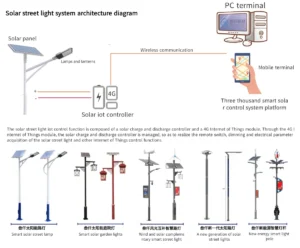
In the operation of modern industrial enterprises, nighttime lighting is not only a fundamental guarantee for safe production, but also an intuitive reflection of an enterprise’s image and management efficiency. However, traditional municipal electric street lights often encounter problems such as complex wiring, high electricity costs, and difficult maintenance when applied in factory areas. Particularly in newly built parks or remote factory areas, the cost of laying power infrastructure is extremely high. With the maturity of new energy technologies, smart solar street lights have provided an innovative solution to this problem. They do not require trench digging for wiring, are flexible to install, operate with zero electricity costs, and are equipped with intelligent control and remote management capabilities. But how to scientifically plan the height, spacing, quantity, and layout of street lights so that they not only meet lighting needs but also achieve the unity of economy and intelligence? This plan will conduct an in-depth exploration of the systematic planning scheme for smart solar street lights on factory area roads. For more details, you can download and review it!




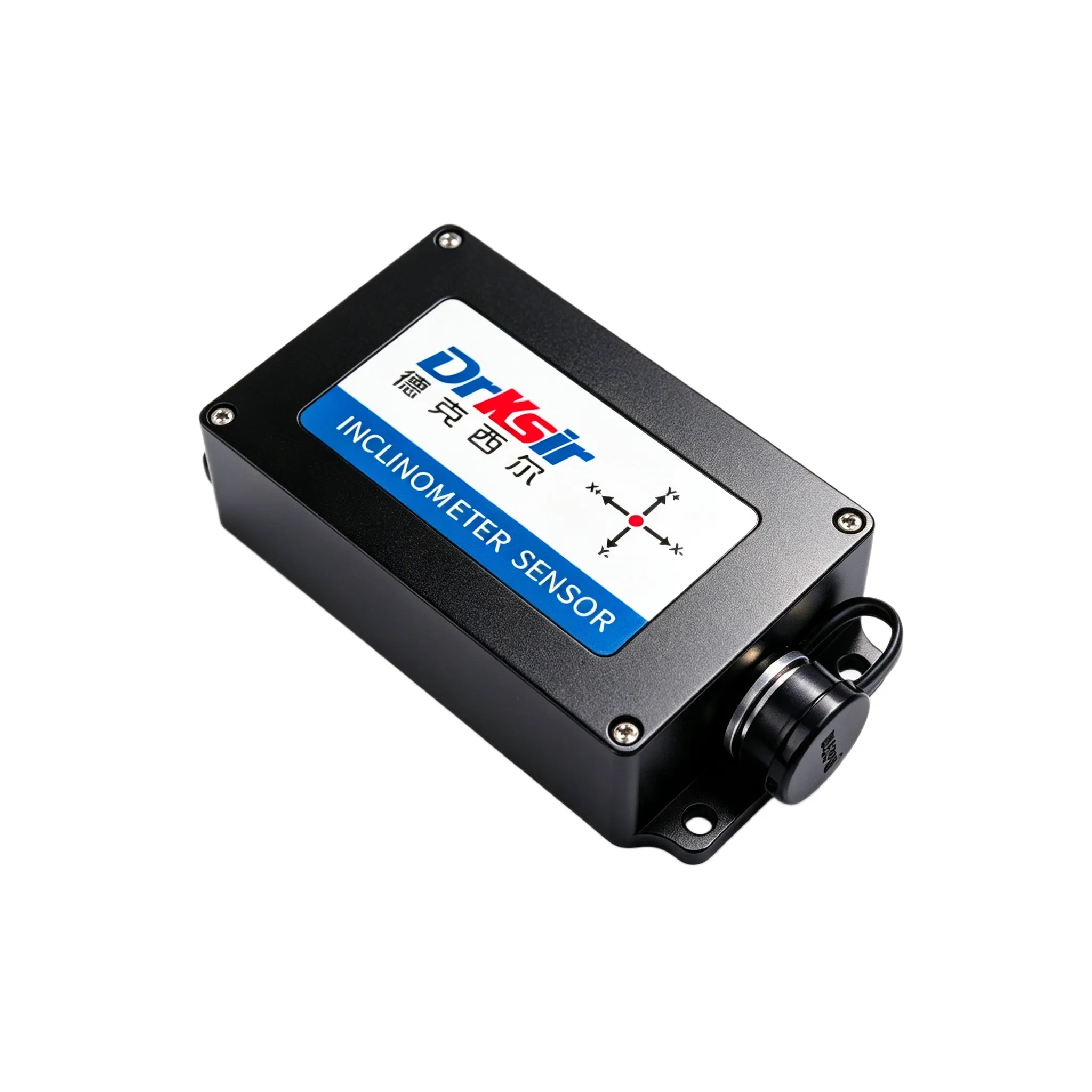





Introduction In coal mining, metallurgy, building materials, and bulk material processing industries, scraper conveyors serve as the core continuous conveying equipment. They undertake long-distance, high-load, and uninterrupted material transportation tasks, and their operational stability directly determines the overall production efficiency of the entire factory and mine production line. However, affected by harsh working conditions such […]