Key Notes for Inclination Sensor Installation and Practical Application

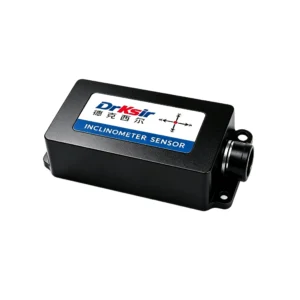
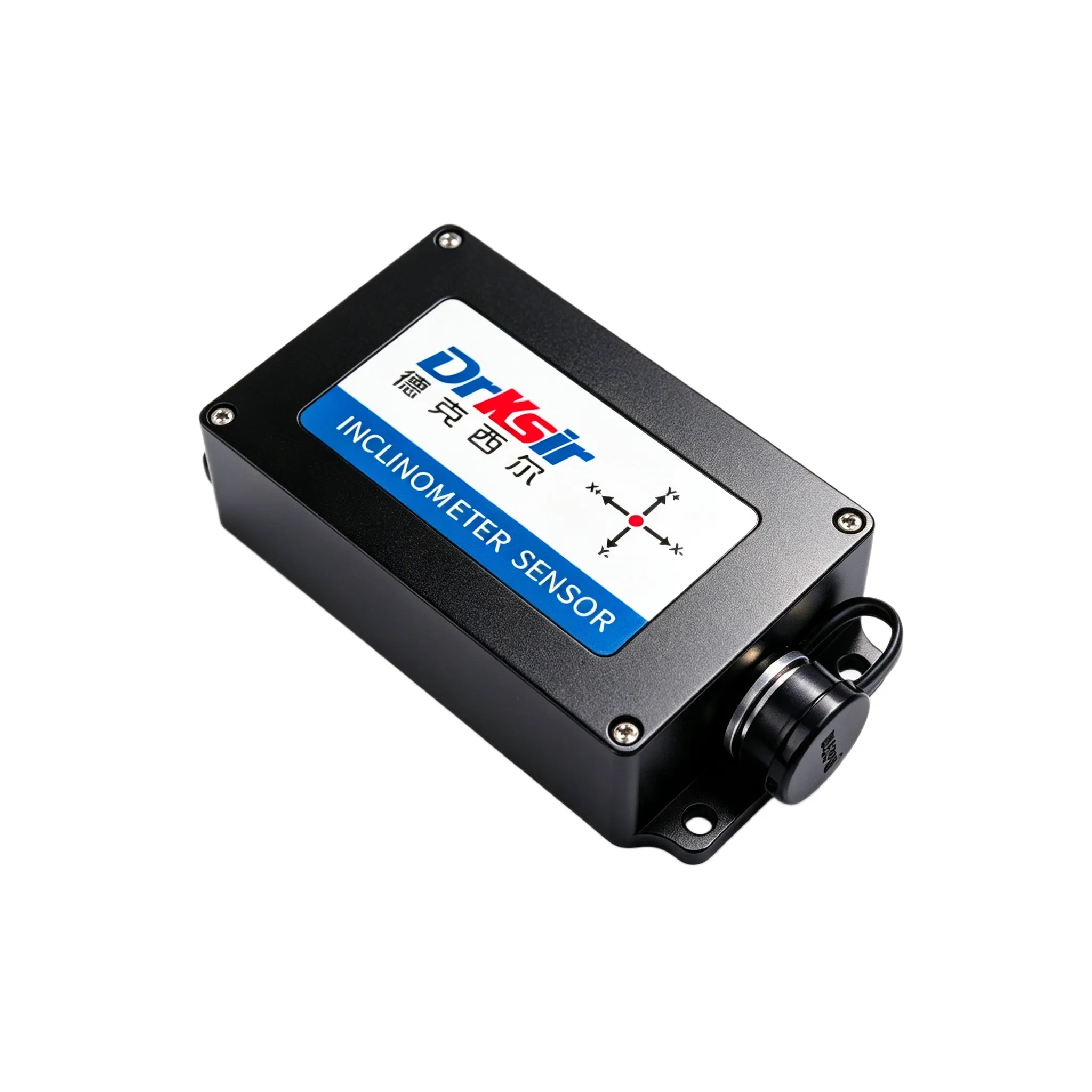
MEMS inclination sensors are widely deployed in bridge health monitoring, slope early warning, mechanical attitude control, and new energy equipment monitoring. Their measurement accuracy and long-term stability directly determine the reliability of the entire industrial monitoring system. Many on-site data drift, jitter, and inaccurate early warning problems are not caused by sensor quality defects, but by irregular selection, installation, wiring, and environment adaptation. This article summarizes the core key points that must be noted in the practical application of industrial inclination sensors to help users achieve stable and high-precision monitoring results.

1. Reasonable Sensor Model Selection Matching

Model selection is the premise of reliable sensor application. Most measurement errors come from mismatched parameter configurations in actual projects. First, users need to confirm the measurement range according to the actual tilt amplitude of the monitored structure. Excessively large range will reduce effective resolution, while too small range will cause data saturation and failure to collect effective data.
Second, distinguish static and dynamic application scenarios. For static monitoring such as bridges, slopes, and buildings, high-precision static inclination sensors are preferred; for dynamic working conditions such as construction machinery and vehicle attitude monitoring, dynamic anti-shake models are required to filter vibration interference. In addition, industrial outdoor scenarios must prioritize sensors with IP68 protection grade, wide temperature adaptation (-40℃~+85℃), and EMC electromagnetic compatibility certification to adapt to harsh outdoor environments.

2. Standardized On-Site Installation Calibration

Installation levelness and fixation stability are the core factors affecting long-term monitoring accuracy. The inclination sensor must be installed on a flat, rigid, and stable structural surface, avoiding flexible structures such as guardrails and thin steel plates that are prone to vibration and deformation. It is recommended to use customized stainless steel fixed brackets for fixed installation to prevent displacement and angle offset caused by long-term wind vibration and structural micro-movement.
Zero-point calibration is indispensable after installation. On-site construction, bracket installation, and structural self-weight will produce initial deviation. Professional zero calibration can eliminate initial offset errors and ensure that the sensor outputs real structural tilt data. For long-term monitoring projects, regular zero-point recalibration is required every 3 to 6 months to maintain data consistency.

3. Standard Wiring and Transmission Anti-Interference Processing

For RS485 wired inclination sensors widely used in industrial monitoring, standardized wiring directly determines data stability. On-site wiring should avoid parallel laying with high-power power lines, frequency converters, and motor lines to prevent strong electromagnetic interference from causing data jitter and packet loss. It is recommended to use shielded twisted-pair cables and ground the shielding layer single-endedly to effectively suppress external signal interference.
In addition, the bus load must be controlled during multi-sensor networking. Reasonably plan the number of nodes and wiring distance, match the gateway and acquisition host parameters, and avoid signal attenuation and data delay caused by excessive transmission distance and excessive load, ensuring real-time and accurate data transmission.

4. Environmental Adaptation and Temperature Drift Control

Temperature change is one of the main causes of sensor data drift. MEMS inclination sensors are susceptible to ambient temperature changes, resulting in tiny zero drift and sensitivity drift. In outdoor open-air scenarios with large temperature differences, users should prefer sensors with built-in high-precision temperature drift compensation algorithms, which can automatically correct temperature errors in real time.
At the same time, avoid direct long-term exposure of the sensor to strong sunlight, rain erosion, and freezing environment. Although industrial sensors have wide temperature resistance, extreme alternating cold and heat will accelerate component aging and affect service life. For special environments such as high humidity and strong corrosion, additional waterproof and corrosion-resistant protection measures can be added.

5. Reasonable Filter Parameter Setting

Most industrial inclination sensors support adjustable filtering parameters, which need to be set according to actual application scenarios. In static monitoring scenarios such as bridges and slopes, the filtering level can be appropriately increased to filter out tiny vibration noise caused by wind load and vehicle passing, making the data curve smooth and stable.
In dynamic real-time monitoring scenarios such as mechanical attitude adjustment and solar tracking, excessive filtering will cause data delay and fail to reflect real-time attitude changes. Therefore, low filtering parameters should be adopted to ensure sensitive and real-time sensor response. Unreasonable filtering setting is a common cause of unstable data or delayed response on site.

6. Regular Maintenance and Data Verification

Long-term unattended monitoring projects require regular daily maintenance. It is necessary to regularly check the sensor fixation status, wiring tightness, and equipment operation status to prevent data interruption caused by loose wiring and bracket loosening. At the same time, manually compare and verify sensor monitoring data and on-site actual structural changes regularly to eliminate abnormal data caused by equipment aging and environmental changes in time.

7. Conclusion

The stable application of inclination sensors depends on standardized full-process management from model selection, installation and calibration, wiring anti-interference, parameter setting to daily maintenance. Standardized operation can effectively avoid common problems such as data drift, jitter, and inaccuracy, maximize the high-precision performance of industrial MEMS inclination sensors, and provide reliable data support for the safe operation and intelligent monitoring of various infrastructure and industrial equipment.
Previous: Inclinometer Sensors: Principles, Applications, Selection Guide | Drksir DK-INC Series

Next: Fixed Hydrogen Concentration Detector: Complete Industrial Safety Guide

PRODUCT RECOMMENDATIONS

  • DK-INC-100 Modbus Type Inclination Sensor

    ¥69.00

    Brief Introduction DK-INC-100 industrial dual-axis inclinometer adopts mature MEMS micro-sensing technology, equipped with standard Modbus RTU RS485 communication bus, which can be seamlessly connected with PLC, industrial host computers, data acquisition modules and remote monitoring platforms. Engineered for long-term unattended angle monitoring, this tilt sensor maintains stable high-precision data output under extreme temperature, heavy vibration […]

  • DK-INC-500 Modbus Type Inclination Sensor

    ¥69.00

    Brief Introduction DK-INC-500 industrial dual-axis inclinometer adopts mature MEMS micro-sensing technology, equipped with standard Modbus RTU RS485 communication bus, which can be seamlessly connected with PLC, industrial host computers, data acquisition modules and remote monitoring platforms. Engineered for long-term unattended angle monitoring, this tilt sensor maintains stable high-precision data output under extreme temperature, heavy vibration […]

  • DK-INC-1000 Modbus Type Inclination Sensor

    ¥69.00

    Brief Introduction DK-INC-1000 industrial dual-axis inclinometer adopts mature MEMS micro-sensing technology, equipped with standard Modbus RTU RS485 communication bus, which can be seamlessly connected with PLC, industrial host computers, data acquisition modules and remote monitoring platforms. Engineered for long-term unattended angle monitoring, this tilt sensor maintains stable high-precision data output under extreme temperature, heavy vibration […]

  • DK-INC-2000 Modbus Type Inclination Sensor

    ¥69.00

    Brief Introduction DK-INC-2000 industrial dual-axis inclinometer adopts mature MEMS micro-sensing technology, equipped with standard Modbus RTU RS485 communication bus, which can be seamlessly connected with PLC, industrial host computers, data acquisition modules and remote monitoring platforms. Engineered for long-term unattended angle monitoring, this tilt sensor maintains stable high-precision data output under extreme temperature, heavy vibration […]

RELATED NEWS

Inclinometer Sensors: Principles, Applications, Selection Guide | Drksir DK-INC Series

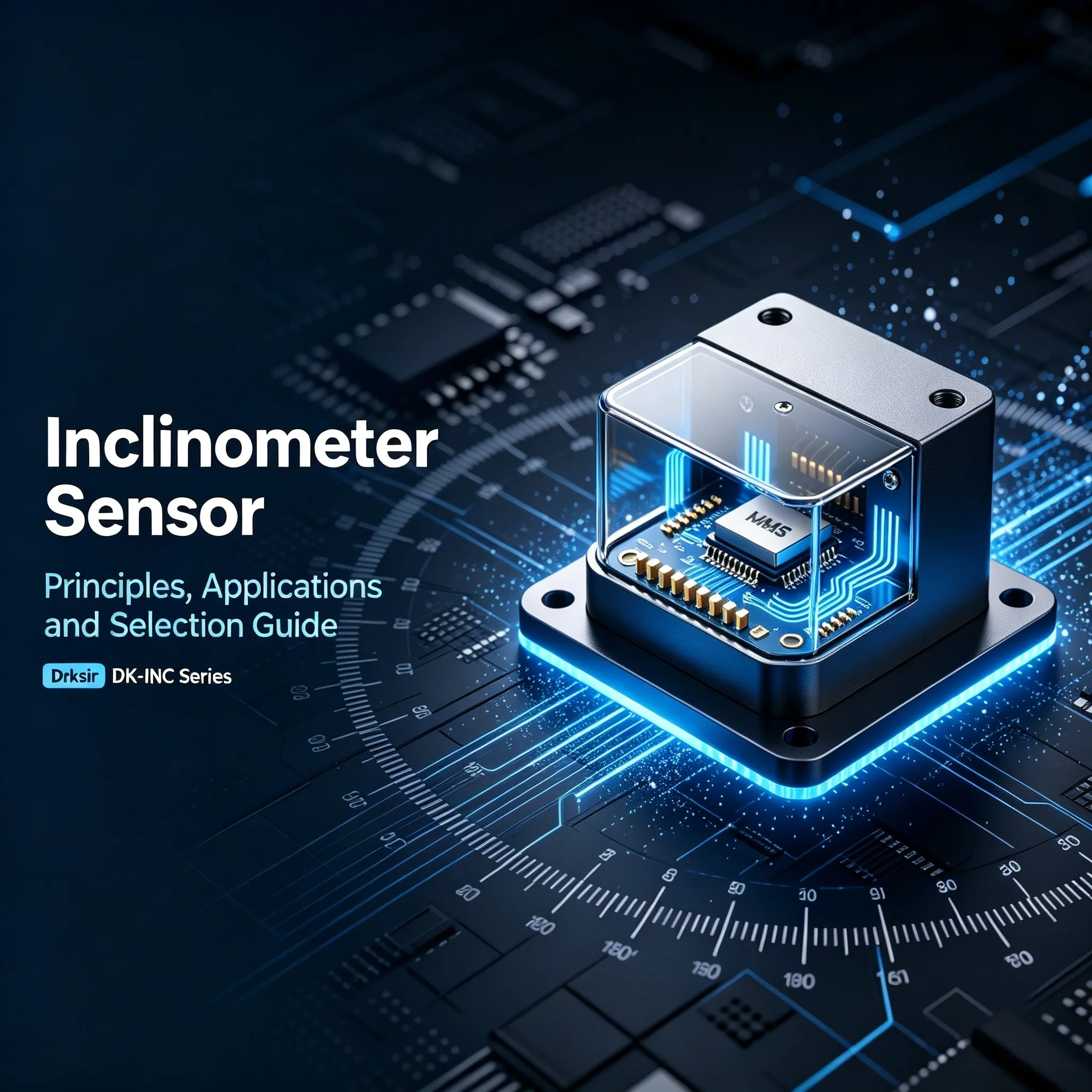
Industrial inclinometer sensors are key high-precision devices for attitude monitoring and structural safety early warning in industrial automation, infrastructure and intelligent equipment. Based on MEMS technology, they convert tiny tilt changes into digital signals with high accuracy and stability.
Drksir’s DK‑INC series features self-developed temperature compensation and noise reduction, delivering ultra‑low drift, strong anti‑interference and wide environmental adaptability. With multiple output interfaces and flexible installation, they are widely used in bridge monitoring, engineering machinery, new energy and cultural relic protection.
The industry is moving toward multi‑sensor fusion, edge AI and low power consumption. As a professional global supplier, Drksir offers static/dynamic models, full customization, industrial‑grade durability and plug‑and‑play convenience, providing reliable tilt sensing solutions for global industrial customers.

Global Inclinometer Sensor Industry Trends 2026–2030: Precision, Intelligence & Global Supply Leadership

The global inclinometer sensor market is experiencing steady growth, expected to hit $3.59 billion by 2026, fueled by rising demands for structural health monitoring, renewable energy optimization and industrial automation. MEMS inclinometer sensors currently dominate the industrial sector, evolving toward higher precision, wireless IoT connectivity, edge AI processing and rugged environmental adaptability.
Widely deployed in infrastructure safety, new energy systems, engineering machinery and smart manufacturing, these sensors ensure stable, accurate and real-time tilt monitoring. The global market features diversified competition among international brands, with Chinese manufacturers gaining increasing recognition.
Drksir’s DK-INC series delivers industrial-grade accuracy, multi-protocol compatibility and strong anti-interference performance with reliable global supply and customized services. Moving forward, the industry will trend toward higher intelligence, lower power consumption and integrated IoT sensing solutions for global industrial digital upgrading.

Industrial MEMS Inclinometer Sensor: Types, Applications and Selection Guide | Drksir Sensing

Drksir Sensing is a professional manufacturer integrating R&D, production and sales of MEMS inclinometer and accelerometer sensors. With standardized production, independent algorithms and strict quality control, it ensures stable performance and fast delivery.
Its full product line includes high-precision inclinometers and accelerometers supporting multiple interfaces, suitable for infrastructure, machinery, new energy and industrial automation.
Key selection criteria cover accuracy, stability, environmental adaptability and protocol compatibility. Drksir offers customized solutions, strong anti-interference design and global supply capacity.
As a reliable global supplier, it provides one-stop sensing solutions with stable quality, fast delivery and professional technical support for engineering and industrial projects worldwide.

Industry Trend: MEMS Inclinometer Sensors Empower Intelligent Bridge Health Monitoring

This article summarizes critical application specifications for industrial MEMS inclination sensors widely applied in infrastructure health monitoring, mechanical attitude control and new energy monitoring. Most common on-site issues including data drift, signal jitter and inaccurate early warnings result from non-standard usage instead of sensor quality faults.
It specifies standardized operation procedures covering scenario-adaptive model selection, professional installation and accurate zero calibration. Standard shielded wiring effectively avoids electromagnetic interference, while intelligent temperature compensation restrains temperature drift.
Matching filter parameters for static or dynamic scenarios and conducting regular maintenance further stabilize monitoring performance. Full-process standardized operations fully exert sensor precision, delivering stable, reliable and high-accuracy data support for industrial equipment and infrastructure safety monitoring systems.

x