1. Industry Background & Market Dynamics
Against the backdrop of global aging bridge infrastructure and surging traffic loads, structural health monitoring (SHM) has become a core requirement for safe operation and life extension. In 2026, MEMS inclinometer sensors, as the core perception component for capturing micro-deformation, have become the standard configuration for bridge intelligent monitoring systems.
Market data shows that infrastructure monitoring (including bridges) accounts for 31.4% of the MEMS inclinometer sensor application market, ranking first among all scenarios. Driven by policies such as the “15th Five-Year Plan” transportation infrastructure upgrading and digital transformation, the demand for high-precision, stable, and intelligent inclinometer monitoring solutions in the bridge industry continues to grow, with an annual growth rate exceeding 18%.
2. Core Technological Advancements in 2026
2.1 Ultra-High Precision & Anti-Interference Upgrade
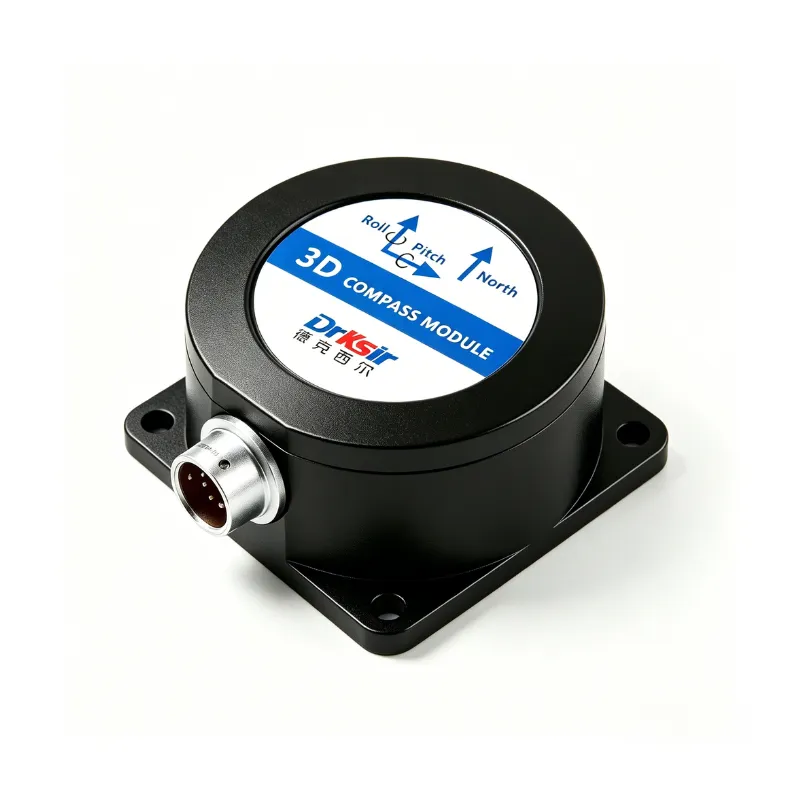
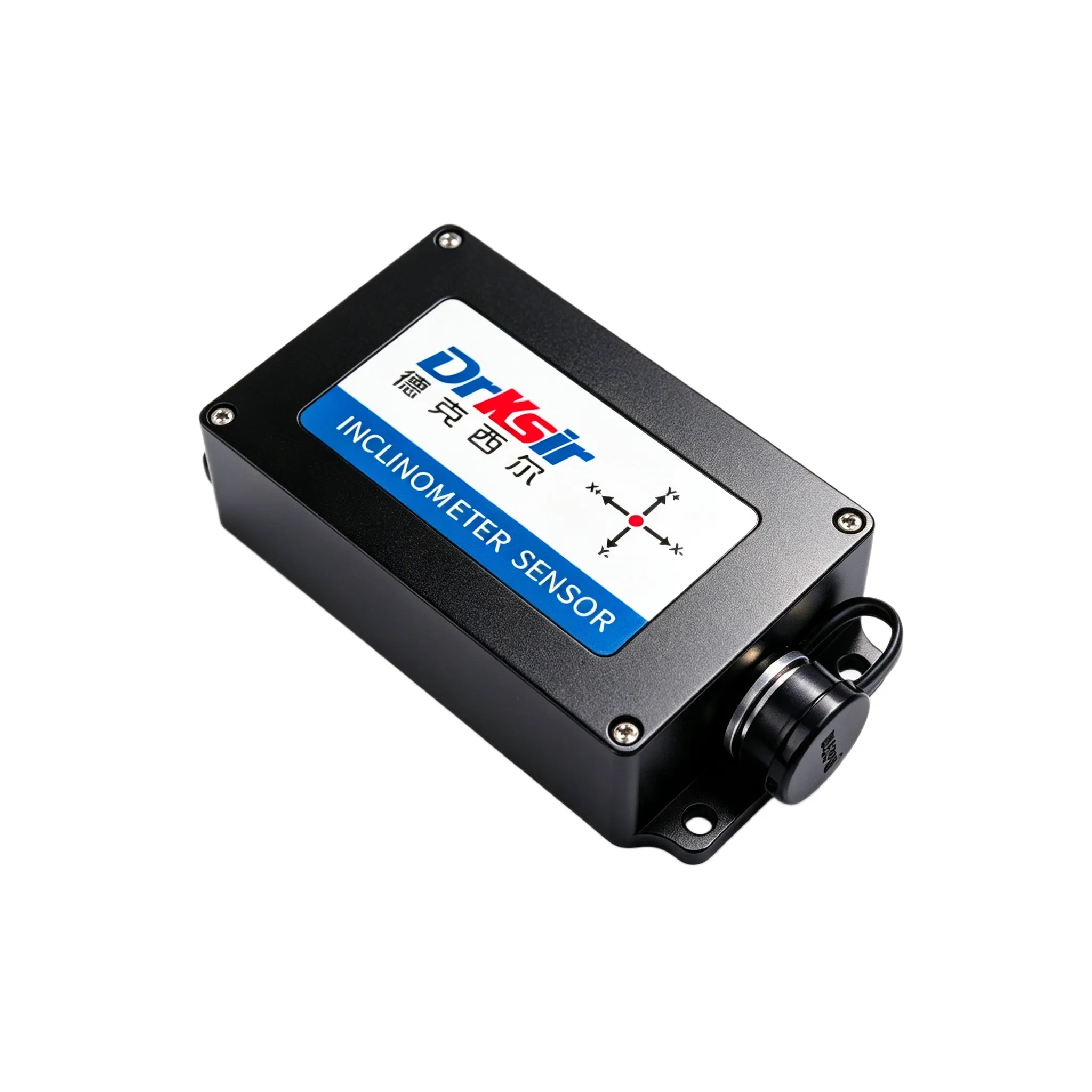
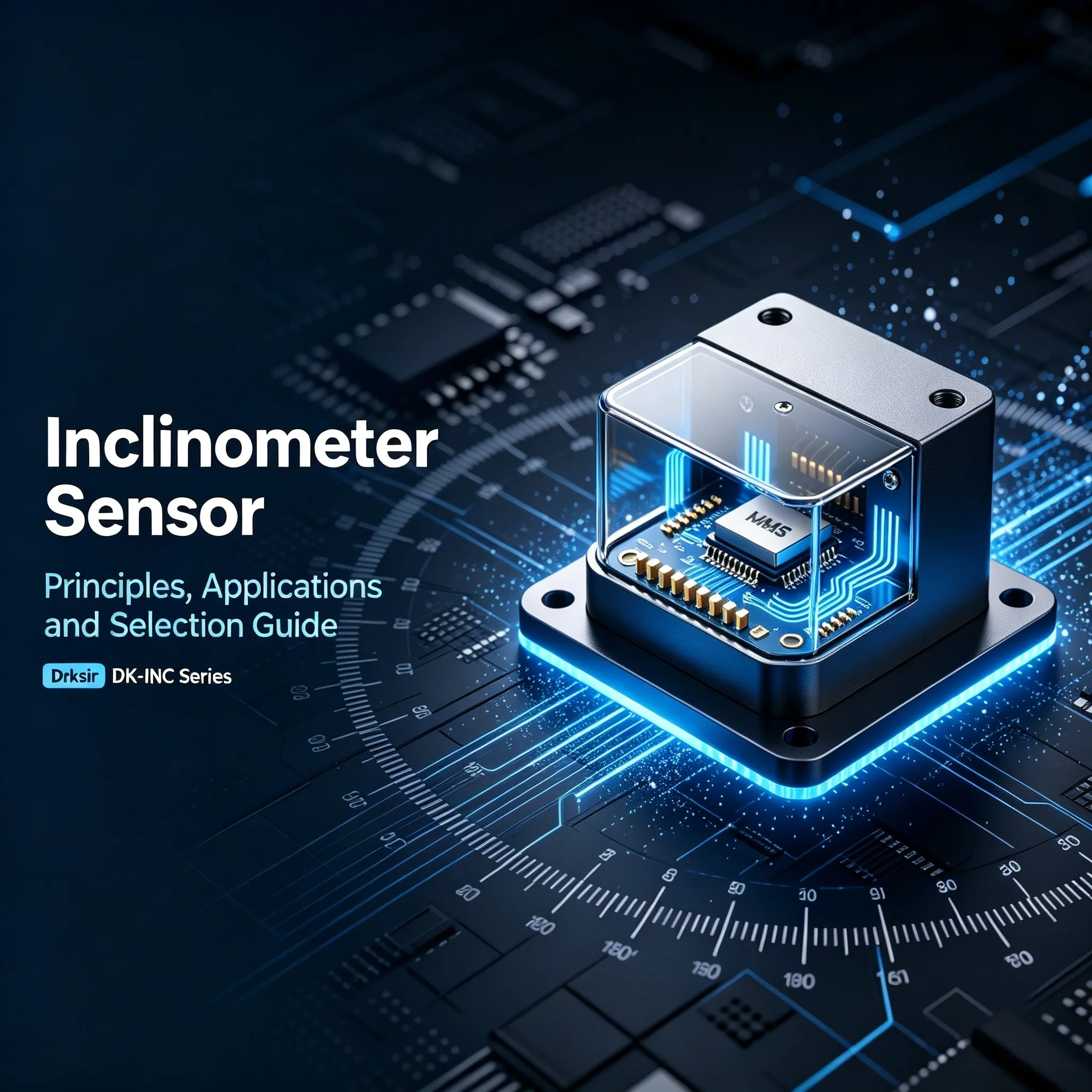
The latest industrial-grade MEMS dual-axis inclinometers (e.g., Drksir DK-INC series) achieve a measurement accuracy of 0.001° and a resolution of 0.0001°, capable of capturing millimeter-level tilt deformation on 10m-long structures. Equipped with self-developed n-order filtering fusion algorithms and temperature drift compensation technology, they maintain stable measurement in the -40℃~+85℃ extreme temperature range, effectively resisting electromagnetic interference from on-site frequency converters and motors.
2.2 Wireless & Low-Power Intelligence Revolution
Wireless transmission technologies (LoRaWAN, NB-IoT, 4G) have been widely commercialized. Sensors adopt battery-powered design with standby power consumption as low as 24μA, supporting 2–3 years of unattended operation. Deployment is free of on-site wiring, and a medium-sized bridge can complete full-coverage installation within half a day, greatly reducing construction and maintenance costs.
2.3 Multi-Parameter Fusion & Digital Twin Integration
Inclinometer sensors are deeply integrated with accelerometers, temperature sensors, and strain gauges to form a multi-dimensional perception network. Combined with edge computing and cloud platforms, they realize real-time data analysis, anomaly early warning, and digital twin simulation, enabling predictive maintenance instead of post-repair.
3. Typical Application Scenarios & Project Practices
3.1 Long-Term Safety Monitoring of Large Bridges
Deployed at key positions such as pier tops, main beam mid-spans, and bearings, inclinometers monitor overall tilt, deflection, and settlement in real time. For example, in the monitoring project of a cross-river bridge in Hangzhou, 12 high-precision wireless inclinometers were installed, successfully capturing early deformation caused by tidal erosion and issuing early warnings, avoiding potential safety hazards.
3.2 Operational Bridge Intelligent Renovation
For existing bridges without monitoring systems, low-power wireless inclinometers provide a low-threshold digital upgrade path. In a railway bridge monitoring project in Fuzhou, the system was deployed in one day without affecting normal train operation, realizing 24/7 unattended monitoring and automatic graded early warning.
3.3 New Bridge Pre-Buried Monitoring
Newly built highway and railway bridges pre-embed inclinometer sensors during construction, forming a full-life cycle monitoring system from construction to operation. Combined with BIM technology, it realizes data interaction between design, construction, and operation and maintenance, improving the overall management level of bridge projects.
4. Future Development Trends
4.1 AI-Driven Predictive Monitoring
AI algorithms will learn the “normal behavior pattern” of each bridge, issue early warnings when abnormal changes occur (even within the threshold range), and detect potential risks months in advance.
4.2 Full-Coverage Popularization of Low-Cost Sensors
With further cost reduction, small and medium-sized bridges and rural bridges will achieve full permanent monitoring, fundamentally solving the problem of insufficient monitoring coverage of aging infrastructure.
4.3 Standardization & System Integration
The industry will accelerate the formulation of unified technical standards for sensor installation, data transmission, and early warning thresholds. Inclinometer systems will be deeply integrated with bridge management platforms, traffic control systems, and emergency response platforms to build an intelligent bridge safety ecosystem.
5. Conclusion
In 2026, MEMS inclinometer sensors have evolved from a single measurement device to a core component of bridge intelligent monitoring systems. With the advantages of high precision, stability, wireless intelligence, and multi-scenario adaptation, they are becoming an indispensable technical support for ensuring bridge safety, extending service life, and realizing digital transformation. For engineering contractors, equipment manufacturers, and monitoring operators, choosing professional source manufacturers with independent R&D, automated calibration, and complete quality control systems (such as Drksir Sensing) will be the key to ensuring project quality and long-term stable operation.