1. Overview of the Global Hydrogen Sensor Market
Against the background of global energy transformation and carbon neutrality goals, hydrogen energy, as a clean and efficient secondary energy source, has been widely promoted in energy storage, fuel cells, chemical engineering, and new energy vehicles. This has strongly driven the rapid growth of the global hydrogen sensor market.
Hydrogen sensors are core devices for detecting hydrogen concentration and leakage risks. With the large-scale construction of hydrogen refueling stations, energy storage power stations, and lithium battery factories, the demand for high-performance, explosion-proof, and stable hydrogen sensors has risen sharply. Industrial safety standards and regulatory upgrades have further accelerated the popularization of professional hydrogen detection equipment, making the industry enter a stage of rapid and standardized development.
2. Key Technological Innovations in Hydrogen Sensors
In recent years, hydrogen sensor technology has continued to iterate, significantly improving detection accuracy, response speed, and environmental adaptability.
Advanced technologies such as nano-sensing and electrochemical detection have gradually replaced traditional schemes, with higher resolution, stronger anti-interference performance, and lower false alarm rates. New-type sensing elements extend service life and reduce long-term maintenance costs. Meanwhile, digital signal processing technology enhances stability under high and low temperatures, strong electromagnetic interference, and humid environments, meeting the strict requirements of industrial hazardous areas.
3. Intelligent & Networking Development Trends
Intelligence and connectivity have become important development directions of the hydrogen sensor industry.
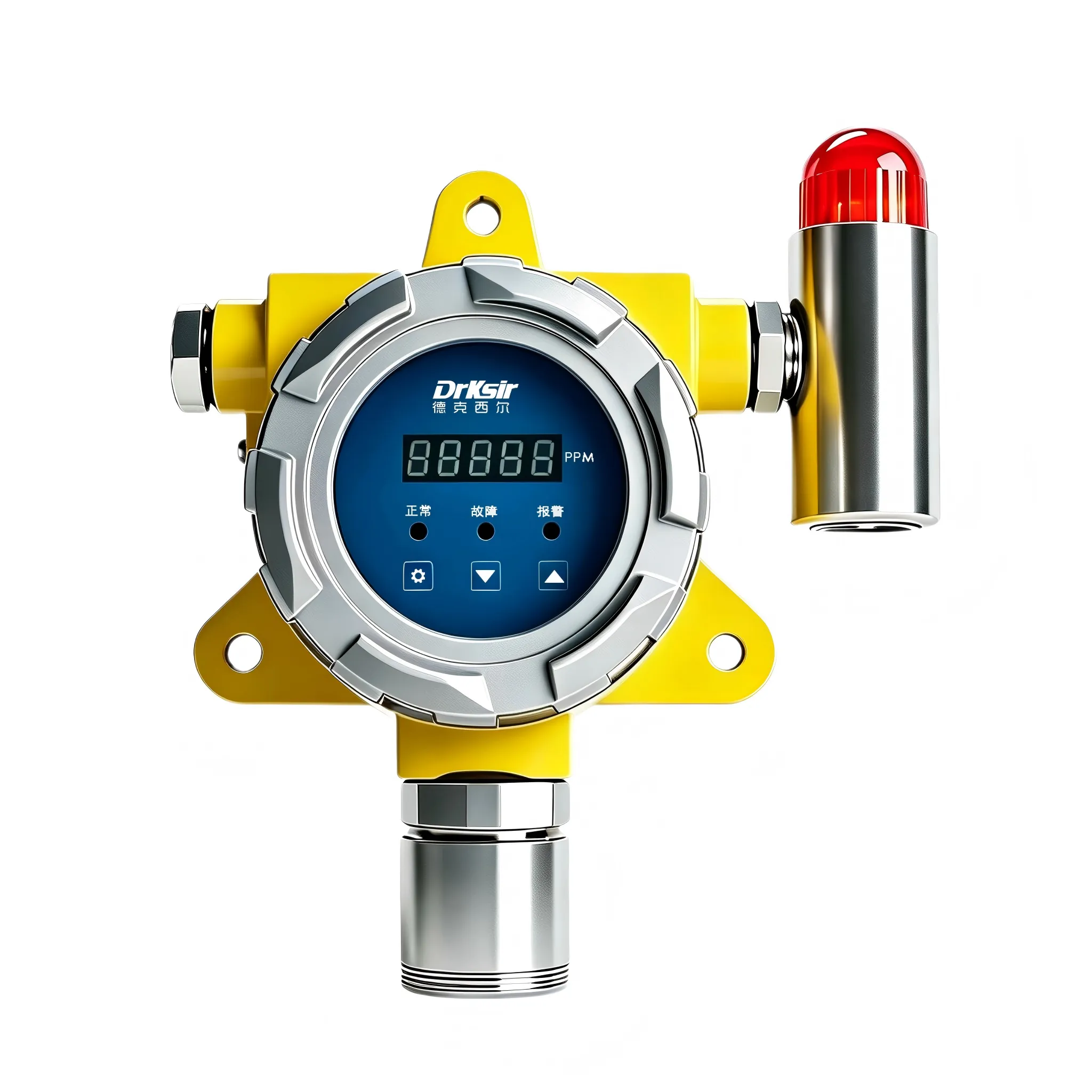
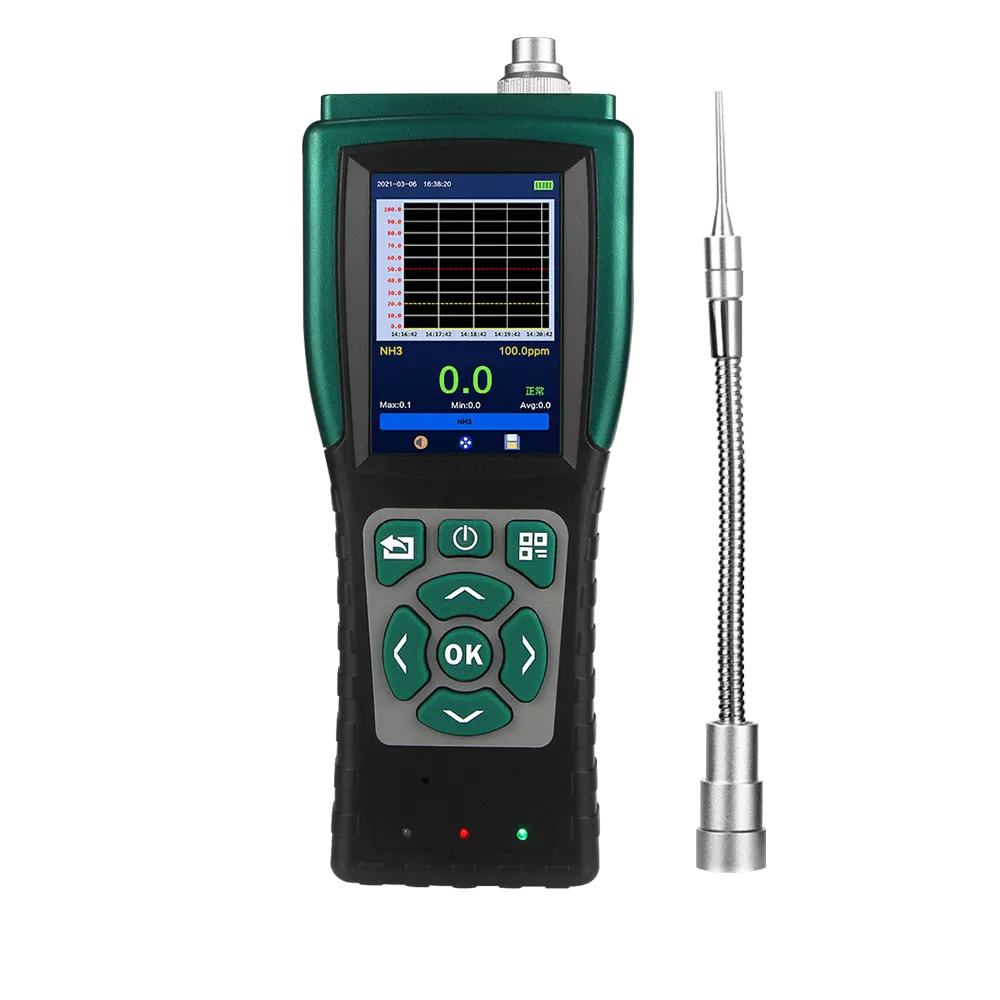
Modern industrial hydrogen sensors are widely equipped with standard communication interfaces such as RS485 Modbus, supporting 4–20mA analog, relay, and other signal outputs. They can be seamlessly connected with PLC, DCS, and cloud platforms to realize real-time data upload, remote monitoring, historical record query, and automatic linkage alarm. This intelligent model improves safety management efficiency, reduces manual inspection pressure, and provides data support for intelligent operation and maintenance.
4. Main Application Scenarios & Market Demand
4.1 Hydrogen Energy & Refueling Stations
Hydrogen production and refueling stations require real-time monitoring to prevent leaks. High-stability hydrogen sensors become essential safety configurations.
4.2 Energy Storage & Battery Industry
Energy storage power stations and lithium battery manufacturing workshops may release hydrogen during operation and production. Fixed hydrogen sensors provide 24/7 monitoring to avoid combustion and explosion risks.
4.3 Petrochemical & Aerospace
In petrochemical, fine chemical, and aerospace hydrogen storage scenarios, explosion-proof hydrogen sensors ensure safe production and equipment operation under harsh working conditions.
4.4 Laboratories & New Energy Vehicles
Laboratory hydrogen test stations and new energy vehicle assembly lines also rely on hydrogen sensors for localized safety protection.
5. Certification & Standard Requirements for High-End Products
Explosion-proof certification and protection ratings have become core thresholds for hydrogen sensor products.
High-end industrial hydrogen sensors usually possess Ex db Ⅱ C T6 Gb explosion-proof certification and IP66 or higher protection levels, complying with international safety standards. Products that meet these specifications can operate stably in flammable and explosive environments, ensuring the safety of personnel and equipment, and are more competitive in global industrial markets.
6. Future Development Prospects of the Hydrogen Sensor Industry
In the future, driven by the global expansion of hydrogen energy and increasingly strict industrial safety regulations, the hydrogen sensor market will maintain steady growth.
Manufacturers with independent core sensing technology, complete certification systems, and customized solution capabilities will gain more advantages. Hydrogen sensors will develop toward higher precision, intelligence, miniaturization, and integration, providing safer and more reliable monitoring guarantees for the large-scale application of hydrogen energy worldwide.