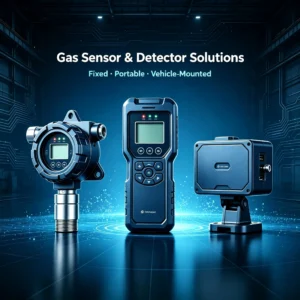

Fixed Gas Sensor & Detector

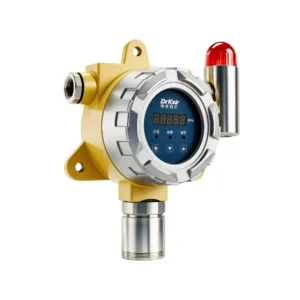
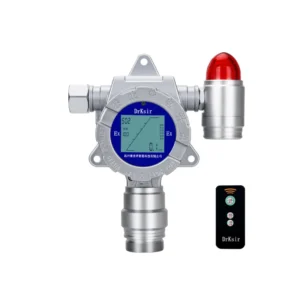
  • HNAG1000-H2 Fixed Hydrogen Detector

    Product Overview Independently developed by DrKSir, the HNAG1000-H2 fixed hydrogen gas detector adopts advanced nano manufacturing and quantum sensing technology…
                           

CASE

Hydrogen Sensor Industry Trends 2026: Technology, Applications and Market Outlook

Driven by global energy transition and hydrogen energy development, the global hydrogen sensor market is expanding rapidly, fueled by the growth of hydrogen refueling stations, energy storage plants and lithium battery factories.
Technological innovations such as nano-sensing and electrochemical detection have enhanced accuracy, anti-interference and stability. Intelligence and networking have become key trends, with standard communication interfaces enabling remote monitoring and automatic alarm.
Main applications cover hydrogen energy, energy storage, petrochemical and automotive industries. High-end products require explosion-proof and high-protection certifications to meet industrial safety standards.
The market will keep growing as hydrogen energy scales up, with sensors moving toward higher precision, intelligence and integration, supported by manufacturers with core technologies and complete certifications.

Fixed Hydrogen Concentration Detector: Complete Industrial Safety Guide

Hydrogen’s high flammability poses explosion risks for hydrogen stations, energy storage facilities and lithium battery factories, requiring reliable 24/7 gas monitoring. DrKSir’s fixed explosion-proof hydrogen detector adopts proprietary nano quantum sensing technology, delivering fast response, high precision and low false alarms while resisting complex industrial interference.
Featuring Ex db Ⅱ C T6 Gb explosion-proof certification and IP66 protection, it adapts to harsh environments. It supports four universal industrial signal outputs and flexible installation modes, enabling seamless integration with various control systems.
With intuitive local display, simple calibration, low power consumption and long service life, this low-maintenance detector suits hydrogen plants, battery workshops, petrochemical and laboratory scenarios. It offers stable long-term leakage early warnings and cost-effective industrial hydrogen safety solutions.

Key Notes for Inclination Sensor Installation and Practical Application

This article outlines key practical application guidelines for MEMS inclination sensors used in structural monitoring, mechanical control and new energy monitoring. Most on-site data drift, jitter and warning inaccuracies stem from improper operation rather than sensor defects.
It emphasizes standardized processes including scenario-based model selection matched for static or dynamic conditions, and professional installation with zero calibration. Standard shielded wiring reduces electromagnetic interference, while built-in temperature compensation controls data drift.
Reasonable filter parameter settings fit different monitoring scenarios, and regular maintenance ensures long-term data stability. Standardized full-process operation effectively guarantees high-precision, reliable monitoring for industrial and infrastructure safety systems.

Industry Trend: MEMS Inclinometer Sensors Empower Intelligent Bridge Health Monitoring

This article summarizes critical application specifications for industrial MEMS inclination sensors widely applied in infrastructure health monitoring, mechanical attitude control and new energy monitoring. Most common on-site issues including data drift, signal jitter and inaccurate early warnings result from non-standard usage instead of sensor quality faults.
It specifies standardized operation procedures covering scenario-adaptive model selection, professional installation and accurate zero calibration. Standard shielded wiring effectively avoids electromagnetic interference, while intelligent temperature compensation restrains temperature drift.
Matching filter parameters for static or dynamic scenarios and conducting regular maintenance further stabilize monitoring performance. Full-process standardized operations fully exert sensor precision, delivering stable, reliable and high-accuracy data support for industrial equipment and infrastructure safety monitoring systems.

Global Inclinometer Sensor Industry Trends 2026–2030: Precision, Intelligence & Global Supply Leadership

The global inclinometer sensor market is experiencing steady growth, expected to hit $3.59 billion by 2026, fueled by rising demands for structural health monitoring, renewable energy optimization and industrial automation. MEMS inclinometer sensors currently dominate the industrial sector, evolving toward higher precision, wireless IoT connectivity, edge AI processing and rugged environmental adaptability.
Widely deployed in infrastructure safety, new energy systems, engineering machinery and smart manufacturing, these sensors ensure stable, accurate and real-time tilt monitoring. The global market features diversified competition among international brands, with Chinese manufacturers gaining increasing recognition.
Drksir’s DK-INC series delivers industrial-grade accuracy, multi-protocol compatibility and strong anti-interference performance with reliable global supply and customized services. Moving forward, the industry will trend toward higher intelligence, lower power consumption and integrated IoT sensing solutions for global industrial digital upgrading.

Hydrogen Sensor Industry Trends 2026: Technology, Applications and Market Outlook

Driven by global energy transition and hydrogen energy development, the global hydrogen sensor market is expanding rapidly, fueled by the growth of hydrogen refueling stations, energy storage plants and lithium battery factories.
Technological innovations such as nano-sensing and electrochemical detection have enhanced accuracy, anti-interference and stability. Intelligence and networking have become key trends, with standard communication interfaces enabling remote monitoring and automatic alarm.
Main applications cover hydrogen energy, energy storage, petrochemical and automotive industries. High-end products require explosion-proof and high-protection certifications to meet industrial safety standards.
The market will keep growing as hydrogen energy scales up, with sensors moving toward higher precision, intelligence and integration, supported by manufacturers with core technologies and complete certifications.

Fixed Hydrogen Concentration Detector: Complete Industrial Safety Guide

Hydrogen’s high flammability poses explosion risks for hydrogen stations, energy storage facilities and lithium battery factories, requiring reliable 24/7 gas monitoring. DrKSir’s fixed explosion-proof hydrogen detector adopts proprietary nano quantum sensing technology, delivering fast response, high precision and low false alarms while resisting complex industrial interference.

Featuring Ex db Ⅱ C T6 Gb explosion-proof certification and IP66 protection, it adapts to harsh environments. It supports four universal industrial signal outputs and flexible installation modes, enabling seamless integration with various control systems.
With intuitive local display, simple calibration, low power consumption and long service life, this low-maintenance detector suits hydrogen plants, battery workshops, petrochemical and laboratory scenarios. It offers stable long-term leakage early warnings and cost-effective industrial hydrogen safety solutions.

Key Notes for Inclination Sensor Installation and Practical Application

This article outlines key practical application guidelines for MEMS inclination sensors used in structural monitoring, mechanical control and new energy monitoring. Most on-site data drift, jitter and warning inaccuracies stem from improper operation rather than sensor defects.
It emphasizes standardized processes including scenario-based model selection matched for static or dynamic conditions, and professional installation with zero calibration. Standard shielded wiring reduces electromagnetic interference, while built-in temperature compensation controls data drift.
Reasonable filter parameter settings fit different monitoring scenarios, and regular maintenance ensures long-term data stability. Standardized full-process operation effectively guarantees high-precision, reliable monitoring for industrial and infrastructure safety systems.

Industry Trend: MEMS Inclinometer Sensors Empower Intelligent Bridge Health Monitoring

This article summarizes critical application specifications for industrial MEMS inclination sensors widely applied in infrastructure health monitoring, mechanical attitude control and new energy monitoring. Most common on-site issues including data drift, signal jitter and inaccurate early warnings result from non-standard usage instead of sensor quality faults.
It specifies standardized operation procedures covering scenario-adaptive model selection, professional installation and accurate zero calibration. Standard shielded wiring effectively avoids electromagnetic interference, while intelligent temperature compensation restrains temperature drift.
Matching filter parameters for static or dynamic scenarios and conducting regular maintenance further stabilize monitoring performance. Full-process standardized operations fully exert sensor precision, delivering stable, reliable and high-accuracy data support for industrial equipment and infrastructure safety monitoring systems.

Global Inclinometer Sensor Industry Trends 2026–2030: Precision, Intelligence & Global Supply Leadership

The global inclinometer sensor market is experiencing steady growth, expected to hit $3.59 billion by 2026, fueled by rising demands for structural health monitoring, renewable energy optimization and industrial automation. MEMS inclinometer sensors currently dominate the industrial sector, evolving toward higher precision, wireless IoT connectivity, edge AI processing and rugged environmental adaptability.
Widely deployed in infrastructure safety, new energy systems, engineering machinery and smart manufacturing, these sensors ensure stable, accurate and real-time tilt monitoring. The global market features diversified competition among international brands, with Chinese manufacturers gaining increasing recognition.
Drksir’s DK-INC series delivers industrial-grade accuracy, multi-protocol compatibility and strong anti-interference performance with reliable global supply and customized services. Moving forward, the industry will trend toward higher intelligence, lower power consumption and integrated IoT sensing solutions for global industrial digital upgrading.

x